New Jersey Motor Vehicle Accident Lawyers
The Attorneys Accident Victims Need On Their Side

In 2022 there were 236,760 motor vehicle crashes involving cars, trucks, motorcycles, bicycles and pedestrians in New Jersey, resulting in 689 deaths. While the number of crashes dropped slightly in the years following the pandemic, the long-term trend is rising. Sadly, the number of traffic fatalities has been greater than 550 per year in the state for more than ten consecutive years. Speeding, distracted driving and driving under the influence continue to be the primary causes of New Jersey motor vehicle fatalities and injuries.
When a Motor Vehicle Collision Changes Everything
Motor vehicle accidents come in many forms — but one thing remains the same: serious injury or loss can have a profound and lasting impact on your life.
Whether you were hurt in a crash involving a car, truck, motorcycle, bicycle, pedestrian, rideshare vehicle, or commercial fleet, you deserve experienced legal representation that puts your rights first. At Keefe Law Firm, our New Jersey motor vehicle accident lawyers represent clients injured in a wide range of collision cases. We help you understand your legal options, pursue fair compensation, and navigate complex insurance and liability issues with confidence.
While some accidents result in minor damage, others lead to significant medical treatment, lost wages, permanent disability, emotional trauma, and long-term care needs. Insurance companies are quick to protect their interests — and slow to protect yours. Legal guidance from the outset can make all the difference.
What Is a Motor Vehicle Accident Claim?
A motor vehicle accident (MVA) claim arises when a person suffers injury or loss due to another party’s negligent operation of a vehicle.
These cases generally fall under personal injury law, but they often involve multiple insurance policies, complicated liability issues, and overlapping legal theories. Unlike some narrower categories (like car accidents), the term motor vehicle accident encompasses crashes involving:
- Passenger cars
- Trucks and commercial vehicles
- Motorcycles
- Bicycles
- Pedestrians
- Rideshare and taxi services
- Government or public transportation vehicles
- Uninsured/underinsured motorists
Each type of crash may have unique legal considerations — but all share the same foundational premise: a negligent driver (or entity) caused harm that resulted in injury or loss.
Common Causes of Motor Vehicle Accidents
Understanding what caused a collision is critical to building a strong claim. The most frequent causes we encounter include:
Distracted Driving
Distraction from phones, navigation systems, passengers, and other in-vehicle devices continues to be a leading cause of collisions.
Speeding and Reckless Driving
Excessive speed, aggressive lane changes, tailgating, and unsafe passing greatly increase the likelihood of severe injury.
Impaired Driving
Alcohol and drug impairment remain significant factors in serious crashes across New Jersey.
Failure to Yield and Right-of-Way Violations
Intersection collisions and left-turn crashes often occur when drivers fail to obey traffic signals or misjudge oncoming traffic.
Hazardous Road Conditions
Potholes, construction zones, poor lighting, and weather-affected roadways sometimes contribute to crashes — and liability may extend beyond the drivers involved.
Vehicle Defects
Sometimes collisions occur or injuries are worsened due to defective vehicle parts, including brakes, airbags, steering, tires, or safety systems.
Injuries Resulting from Vehicle Collisions
Motor vehicle accidents can cause a broad range of injuries, including:
- Traumatic brain injuries (TBI)
- Whiplash and neck strain
- Back injuries and spinal cord trauma
- Broken bones
- Internal organ damage
- Nerve damage
- Soft tissue harm
- Psychological and emotional trauma
Some injuries do not present symptoms immediately. Prompt medical evaluation protects both your health and your legal claim.
The No-Fault System and Your Rights in New Jersey
New Jersey operates a no-fault insurance system, which affects how medical bills and compensation work after a collision.
Personal Injury Protection (PIP)
Under no-fault rules, your own PIP coverage typically pays for your medical treatment after a crash, regardless of who was at fault.
Right to Sue
In serious injury cases, you may have the right to pursue a claim against the at-fault driver for compensation beyond PIP benefits — including pain and suffering, lost wages, and diminished quality of life.
The distinction between no-fault benefits and a bodily injury claim can be legally complex. Insurance companies often attempt to classify an injury as minor to limit exposure. Legal counsel ensures that your rights to additional compensation are protected when the law allows.
Types of Motor Vehicle Accidents We Handle
This page covers a broad spectrum of collision types. Specific categories may also have dedicated pages linked from this main practice area:
Passenger Vehicle Collisions
These include crashes between standard cars and SUVs — the most common type of motor vehicle accident. (For more detail on passenger car crashes, see our dedicated Car Accident page.)
Truck and Commercial Vehicle Crashes
Large trucks, delivery vans, buses, and commercial fleets pose unique legal challenges. Federal and state safety regulations frequently play a role in these claims.
Motorcycle Accidents
Motorcyclists face higher risk of serious injury, and insurance companies often underestimate the full cost of treatment and recovery.
Bicycle and Pedestrian Accidents
When vulnerable road users are struck by motor vehicles, resulting injuries can be catastrophic. Liability issues may involve driver negligence, roadway design, or municipal responsibility.
Rideshare and Taxi Collisions
Accidents involving Uber, Lyft, and other rideshare services involve layered insurance coverage and additional legal nuances.
Uninsured and Underinsured Motorist Claims
If the at-fault driver lacks sufficient insurance, you may need to pursue uninsured/underinsured motorist benefits under your own policy.
Who is liable in a motor vehicle accident?
The data tell us that most car, truck, motorcycle and other motor vehicle accidents are due to negligence and are preventable. If you have been injured or lost a loved one in a motor vehicle accident you may be able to obtain financial compensation for medical bills, lost wages, property damage and other expenses through an insurance claim or a personal injury or wrongful death lawsuit. Depending on the type of vehicle involved, a driver, commercial company or even the vehicle manufacturer may be liable for damages.
Who pays for the damages caused by a car, truck or other motor vehicle accident?
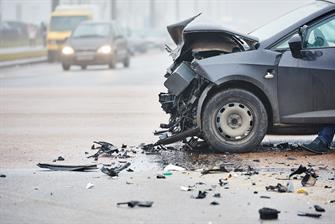
Typically the at-fault party’s insurance company should pay for damages. In reality it is difficult to get a fair insurance settlement without an experienced accident lawyer fighting for you. The New Jersey motor vehicle accident lawyers at Keefe Law Firm can help file your insurance claim and represent you in a personal injury or wrongful death lawsuit to obtain the compensation you deserve. Recently we obtained a $1.2 million settlement for the family of a wrongful death car crash victim.
Keefe Law Firm’s team of motor vehicle accident lawyers, paralegals and investigators understand how a serious car, truck or other motor vehicle accident can upend your life.We have successfully handled a wide range of different types of motor vehicle accidents throughout New Jersey, not only in pursuing lawsuits but also in negotiating with insurance companies and healthcare organizations such as Medicaid.
These include:
- Car
- Truck
- Motorcycle
- Bicycle
- Pedestrian
- Boat & Ferry
- Train & Railroad
- Airplane & Helicopter
How Compensation Is Determined in Motor Vehicle Accident Claims
While every case is unique, compensable damages in motor vehicle accident claims may include:
- Medical expenses (current and future)
- Lost wages and loss of earning capacity
- Pain and suffering
- Emotional distress
- Property damage
- Rehabilitation and long-term care
- Permanent disability support
In serious cases, expert testimony may be necessary to quantify future medical care, vocational loss, and life-care needs.
Evidence and Investigation: Building a Strong Claim
A successful motor vehicle accident claim requires thorough investigation and documentation:
- Police collision reports
- Photographs of vehicles and accident scene
- Medical records and treatment notes
- Witness statements
- Traffic camera or surveillance footage
- Expert reconstruction analysis
Preserving evidence early — before it disappears or degrades — is often essential to establishing liability and proving damages.
Comparative Negligence in New Jersey
New Jersey follows a modified comparative negligence rule. This means that if a victim is found partially at fault, their compensation may be reduced proportionally — as long as they are less than 51% responsible.
Insurance companies frequently argue shared fault to reduce settlement value. A strategic legal approach challenges these assertions with factual evidence and case law support.
Insurance Company Tactics and Why You Need a Lawyer
Insurance adjusters often attempt to:
- Minimize the severity of injuries
- Classify injuries as unrelated to the crash
- Delay or deny legitimate claims
- Offer quick settlements before full treatment is known
A lawyer handles all communications, protects your rights, and ensures that settlement discussions occur only after the full scope of your injuries and losses is understood.
What to Do After a Motor Vehicle Accident
Taking the right steps immediately after a crash can safeguard your legal claim:
- Report the accident to law enforcement and request an official report.
- Seek medical attention, even for “minor” symptoms.
- Document the scene — photos, vehicle damage, skid marks, road conditions.
- Collect contact information from witnesses.
- Avoid recorded statements to insurers without legal counsel.
Prompt action protects your health and strengthens your ability to pursue maximum compensation.
Time Limits for Filing a Claim
In most motor vehicle accident cases, New Jersey’s statute of limitations allows two years from the date of injury to file a lawsuit.
Claims involving government entities (e.g., state vehicles, municipal buses, county roads) often require advance notice much sooner.
Delaying action can jeopardize your ability to recover compensation. Early consultation ensures deadlines are met.
Frequently Asked Questions
Do I need a motor vehicle accident lawyer in NJ?
If your injuries are significant, liability is contested, or insurance coverage is complex, having experienced counsel protects your legal rights and maximizes recovery.
What should I do if the other driver was uninsured?
You may still qualify for uninsured/underinsured motorist benefits under your own policy. A knowledgeable attorney can help you navigate these claims.
Does the no-fault system prevent me from suing?
Not necessarily. Serious injuries that exceed PIP limitations can allow claims against the at-fault driver for pain and suffering and other damages.
How long does a motor vehicle accident claim take?
Case timelines vary depending on injury recovery, liability disputes, and the negotiation process.
Why Choose Keefe Law Firm for Your Motor Vehicle Crash Claim
Motor vehicle accident law is not just about paperwork — it’s about strategy, preparation, and advocacy.
Our firm brings:
- Decades of litigation experience confronting insurance defenses
- Individualized client attention and clear communication
- Thorough investigation and evidence preservation
- Willingness to take cases to trial when necessary
We prepare every case as though it may proceed before a jury — because preparation strengthens negotiating leverage and improves outcomes.
Injured In A Motor Vehicle Accident? Get A Free Case Review
If you or a loved one has been injured in any type of vehicle collision, time matters. Evidence can disappear and memories can fade. Insurance companies begin building their defense immediately.
Contact Keefe Law Firm today for a free, confidential consultation. We will evaluate your situation, explain your rights under New Jersey law, and outline the next steps clearly and directly.
Protecting your future begins with informed action.