New Jersey Car Accident Lawyers

Serious Car Crash Injuries Demand Experienced Legal Representation
A serious car accident can change your life in seconds. One moment you are commuting to work or driving your children home from school. The next, you are facing medical treatment, lost income, vehicle damage, and constant calls from insurance adjusters.
In New Jersey, thousands of injury-related crashes occur every year. While many accidents involve minor property damage, others result in significant injuries that affect victims for months, years, or permanently.
At Keefe Law Firm, our New Jersey car accident lawyers represent individuals and families harmed in serious automobile collisions. We build strategic, evidence-based cases designed to pursue full compensation — not quick settlements that benefit insurers.
If you were injured in a crash caused by another driver’s negligence, you deserve clarity, protection, and strong advocacy from the start.
At Keefe Law Firm, our attorneys, paralegals and investigators have decades of experience handling powerful insurance companies and negligent drivers, both at the negotiation table and in the courtroom. We have prevailed repeatedly in car accident lawsuits, as well as those involving motorcycle wrecks, drunk driving accidents and truck crashes.

Common Causes of Car Accidents in New Jersey
Passenger vehicle crashes frequently result from preventable behavior. Some of the most common causes we see include:
Distracted Driving
Texting, navigation use, social media, and in-vehicle distractions remain leading contributors to collisions.
Speeding
Excessive speed reduces reaction time and increases the severity of impact.
Failure to Yield
Intersection accidents and left-turn collisions often occur when drivers misjudge distance or ignore traffic signals.
Drunk or Impaired Driving
Despite strict DUI laws, alcohol- and drug-related crashes continue to cause serious injuries across the state.
Aggressive Driving
Tailgating, unsafe lane changes, and road rage behaviors create dangerous roadway conditions.
When investigating a car crash claim, we review police reports, crash scene evidence, vehicle damage patterns, surveillance footage, and witness statements to determine liability clearly and persuasively.
Injuries Commonly Resulting from Car Accidents
Even collisions that initially appear “minor” can cause significant physical harm. We regularly represent clients suffering from:
- Herniated and bulging discs
- Neck and back injuries
- Traumatic brain injuries (TBI)
- Concussions
- Fractures
- Internal injuries
- Spinal cord injuries
- Permanent nerve damage
Some injuries do not fully manifest for days or weeks. Seeking medical evaluation promptly protects both your health and your legal claim.
New Jersey Motor Vehicle Accident Helpful FAQs
Do I need a car accident lawyer in NJ?
If injuries are significant or liability is disputed, legal representation can protect your rights and maximize compensation.
How much is my car accident case worth?
Case value depends on injury severity, insurance coverage, fault allocation, and long-term consequences.
Will my case go to court?
Many cases settle. However, preparing for trial strengthens negotiating position.
Know your legal rights if you have been in a car, truck, motorcycle or pedestrian accident. The following is critical “need to know” information on dealing with insurance companies, the costs and process of personal injury lawsuits and steps to take to protect your interests if you have been involved in an accident.
What does it cost to file a car accident lawsuit or claim?
Car and other motor vehicle accident cases are classified as personal injury lawsuits,
which are typically handled on a contingency basis. This means that you will not have to pay for any legal expenses up front or during the handling of your case. When your case settles, legal fees are deducted from the insurance settlement or trial award.
Understanding New Jersey’s No-Fault Insurance System
New Jersey operates under a no-fault auto insurance system.
This means that after most accidents:
- Your own Personal Injury Protection (PIP) coverage pays for medical expenses
- Fault may not immediately determine who pays medical bills
However, serious injuries often allow victims to step outside the no-fault system and pursue claims against the at-fault driver for pain and suffering.
The complexity of New Jersey’s insurance laws — including limited vs. unlimited right to sue options — makes early legal guidance critical.
Insurance companies often attempt to:
- Minimize injury severity
- Argue pre-existing conditions
- Offer quick settlements before long-term consequences are known
We evaluate insurance policy limits, liability strength, and injury permanence before advising clients on next steps.
What Compensation May Be Available After a Car Accident?
Depending on your policy election and the severity of injuries, compensation may include:
- Medical expenses (past and future)
- Lost wages
- Loss of earning capacity
- Pain and suffering
- Emotional distress
- Property damage
- Permanent disability damages
Serious crashes often require consultation with medical experts, vocational specialists, and life-care planners to accurately assess long-term impact.
Comparative Negligence in New Jersey Car Crash Cases
New Jersey follows a modified comparative negligence rule.
If you are found partially responsible for the crash, your compensation may be reduced proportionally — as long as you are less than 51% at fault.
Insurance companies frequently attempt to shift blame. Careful investigation and strategic presentation of evidence are essential to counter these arguments.
Six Things to Do if You Are in a Car or Truck Accident
The time immediately following a car accident is the most crucial. To ensure that you have all the information you need after a crash, you should:
- Get emergency medical attention. Make sure everyone if OK. If you or anyone else involved is injured, call 911 to request an ambulance right away. Even if you believe you have no car accident injuries, you should still seek medical attention as soon as possible. Some injuries may not be apparent until hours or days after a crash, so a prompt visit to the emergency room or your own doctor is key.
- Get the police report.
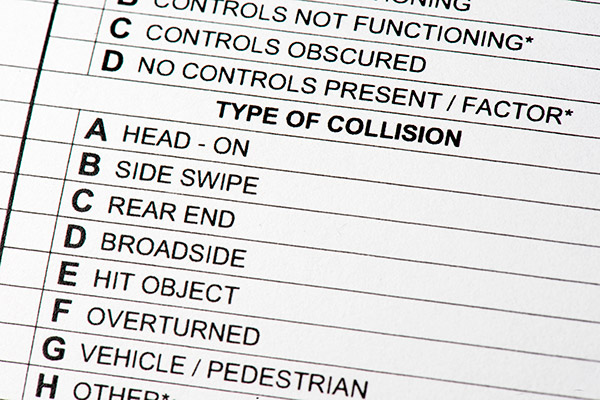 You need a police report even for minor fender-benders. If you are able, make sure you give the officer the facts as you know them and ask how to get a copy of the report. Typically, police reports are available at the local police station shortly after the accident. The police report is one of the best pieces of evidence for an insurance claim and personal injury lawsuit.
 - Take photos and get contact information. If you are able, take photos or a video of the damage and the surrounding area with your phone. Also, make sure you get the insurance, license, registration and contact information of any other drivers involved. If there are witnesses, get their phone numbers, too.
- DO NOT speak to the other driver’s insurance company before you call a lawyer. Even if you think your case is simple and straightforward, you should always get legal advice. Pushy insurance adjusters may call you just hours or even minutes after the accident, before you know the extent of the damage or while you are still in a state of shock. You do not have to speak to them, despite what they might say. Instead, direct them to your lawyer after you retain one.
- Write it Down. After you get home and while the accident is still fresh in your mind, take a half hour or so to record all the details of the accident. Note where you were going, who was with you, what the weather was like, etc. No specifics are too small.You can also use your mobile phone to verbally record your recollections if that is easier. The audio can easily be transcribed by your attorney.
- Do NOT post ANYTHING about the accident on any social media. Period.
Dealing With Insurance Companies After A Car Crash
Insurance carriers are businesses focused on minimizing payouts.
Adjusters may:
- Ask leading questions
- Request recorded statements
- Suggest injuries are minor
- Offer early settlements before treatment concludes
Accepting an early offer can prevent you from seeking additional compensation if complications arise later.
Our firm handles all communications with insurers, allowing clients to focus on recovery while we protect their legal interests.
Conducting a comprehensive investigation of your accident

Our investigators begin by reconstructing the event. He or she will visit the scene of the accident, confirm the weather and road conditions, photograph or video the site and surrounding areas, interview witnesses and review the police report and all other official documentation. The final investigation report will confirm the facts, analyze the circumstances and provide evidence-based conclusions as to the causes of the accident.
Preparing a complete harm assessment: physical, emotional and financial
Our team will review all of your medical reports, financial records and insurance coverage information as well as interview you to document the extent of damages to yourself and your property. This is a critical step in preparing for settlement negotiations or trial.
Discussing all options with you
Prior to making any decisions on how to proceed with your case, your lawyer and paralegal will explain the intricacies of your matter in plain English. Our goal is to always ensure you understand all options available to you as well as the possible outcomes.
Completing and filing all necessary insurance paperwork
Keefe Law Firm will handle the completion and on-time filing of all paperwork and documents with insurance companies, healthcare organizations, opposing attorneys and the courts as necessary.
Aggressively negotiating a settlement agreement with the insurance company
From the outset, our attorneys prepare every case for trial and are ready to litigate. This level of preparedness ensures we have an extremely strong negotiation position when dealing with insurance companies.
Litigating your case at trial
If the insurance company will not budge on a settlement amount that is fair, your attorney may advise bringing the case to trial. He or she will thoroughly prepare you for any court appearances and see the case through to its resolution. All court appearances and trial dates will be scheduled by your Keefe Law Firm team.
Secondary Crash Types
While passenger car collisions are the primary focus of this page, we also represent victims injured in:
Truck Accidents
Commercial vehicle crashes often involve complex liability and federal regulations.
Motorcycle Accidents
Motorcyclists face increased injury risk due to limited protection.
Pedestrian and Bicycle Accidents
Drivers who fail to yield often cause severe harm to vulnerable road users.
Rideshare Accidents
Uber and Lyft crashes involve layered insurance policies and coverage disputes.
If your injury involves any type of motor vehicle collision, we can evaluate your legal options.
How Long Do You Have to File a Car Accident Claim?
In most cases, New Jersey’s statute of limitations allows two years from the date of injury to file a personal injury lawsuit.
Claims involving government entities may require notice within 90 days.
Failing to act within required deadlines can eliminate your right to recovery.
Why Litigation Experience Matters in A Car Accident Injury Case
Not all car accident cases are handled the same way.
Some firms focus primarily on high-volume settlements. Others prepare every case as though trial is possible.
At Keefe Law Firm, our background in complex litigation strengthens our approach to auto accident cases. We build cases strategically from the outset, ensuring that evidence, expert opinions, and documentation are properly developed.
Preparation creates leverage.
Leverage improves outcomes.
How to File a Claim After a Car Crash in New Jersey
Generally, the New Jersey statute of limitations on claims for car accidents involving injuries, damage or loss in is two years. Many car accident injury claims take months or even a year to fully process. If you and your attorney decide to file a personal injury lawsuit after settlement negotiations fail, it will take even longer to get compensation if the other side is not cooperating. For this reason, it is best if you begin the process of filing your claim as soon as possible.
New Jersey has a “no-fault” car insurance law. Many people mistakenly believe this means that blame is not assigned in a motor vehicle accident. What “no-fault” means in New Jersey is that medical coverage for injuries sustained in a car accident is provided by your insurance company–regardless of who caused the accident.
Once the paperwork is filed, your insurance company will investigate the incident. This may involve an interview, a request for your medical records and an inspection of the damage to your car. Insurance adjusters may ask misleading questions or delay the proceedings to avoid paying a fair settlement. Your attorney will deal with these problems on your behalf. Then, after negotiations, if the insurance company does not offer you a fair settlement, filing a personal injury lawsuit may be in your best interest.
At Keefe Law Firm, our attorneys can represent you in your fight against negligent drivers and their insurance companies. We have decades of experience with these kinds of cases, and we can put that experience to work for you.
Injured In A Car Accident? Our Lawyers Will Provide A Free Case Evaluation
If you were injured in a car crash caused by another driver’s negligence, do not navigate the process alone.
Evidence can disappear. Insurance companies begin building their defense immediately.
At Keefe Law Firm, we stand for our injured clients to attain nothing less than the compensation they deserve. Talk to a Keefe Law Firm lawyer today about your options.